The Good Neighbor: Why Data Centers Are a Win for Your Community
Modern data centers aren't the industrial villains they're made out to be. Here's how next-gen facilities are quietly transforming into clean, silent, and economically powerful community assets.
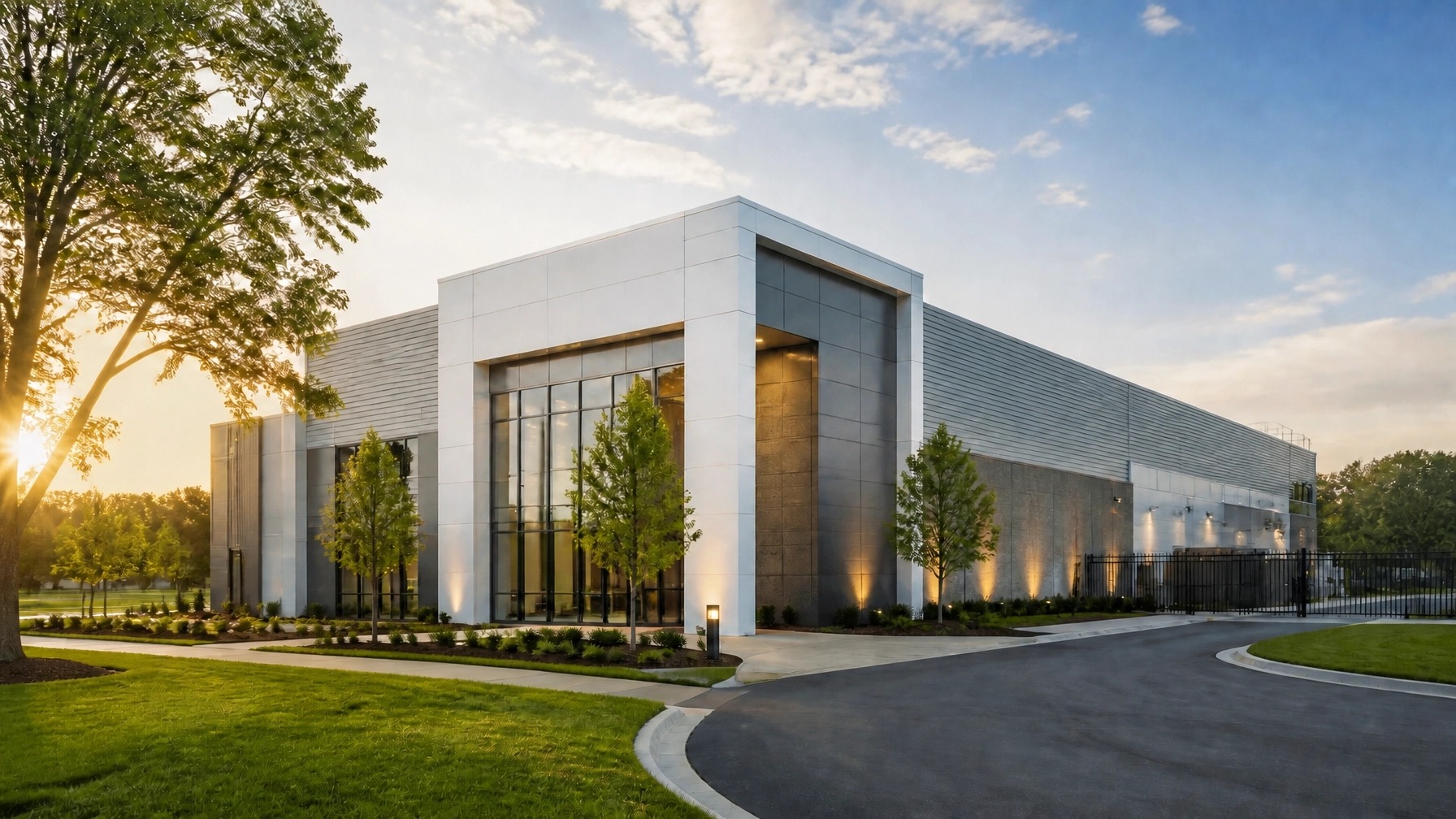
Today's data centers bear little resemblance to their water-guzzling, grid-straining predecessors. Closed-loop cooling systems have slashed freshwater consumption by up to 70%, advanced acoustic engineering keeps noise below suburban ambient levels, and behind-the-meter microgrids mean these facilities often stabilize local power rather than strain it. Add in substantial tax revenue, infrastructure upgrades, and skilled local employment, and the case is clear: a well-built modern data center isn't a burden on its community — it's one of its most valuable neighbors.
For years, a persistent narrative has painted data centers as "industrial villains": portraying them as noisy, thirsty giants that drain local power grids and offer little in return. This outdated perspective ignores the rapid technological evolution of mission-critical facilities.
The reality is that modern data centers are among the cleanest, quietest, and most economically beneficial neighbors a community can have. From pioneering water-free cooling to building their own power plants, data centers are setting a new standard for responsible industrial development.
Here is how the next generation of data centers is actually improving the communities they call home.
Thirst-Free Infrastructure: The Shift to Closed-Loop Cooling
The most common criticism leveled at data centers is their water usage. Older facilities relied on
"evaporative cooling," which uses massive amounts of water to chill the air through evaporation. This is no longer the industry standard for new builds.
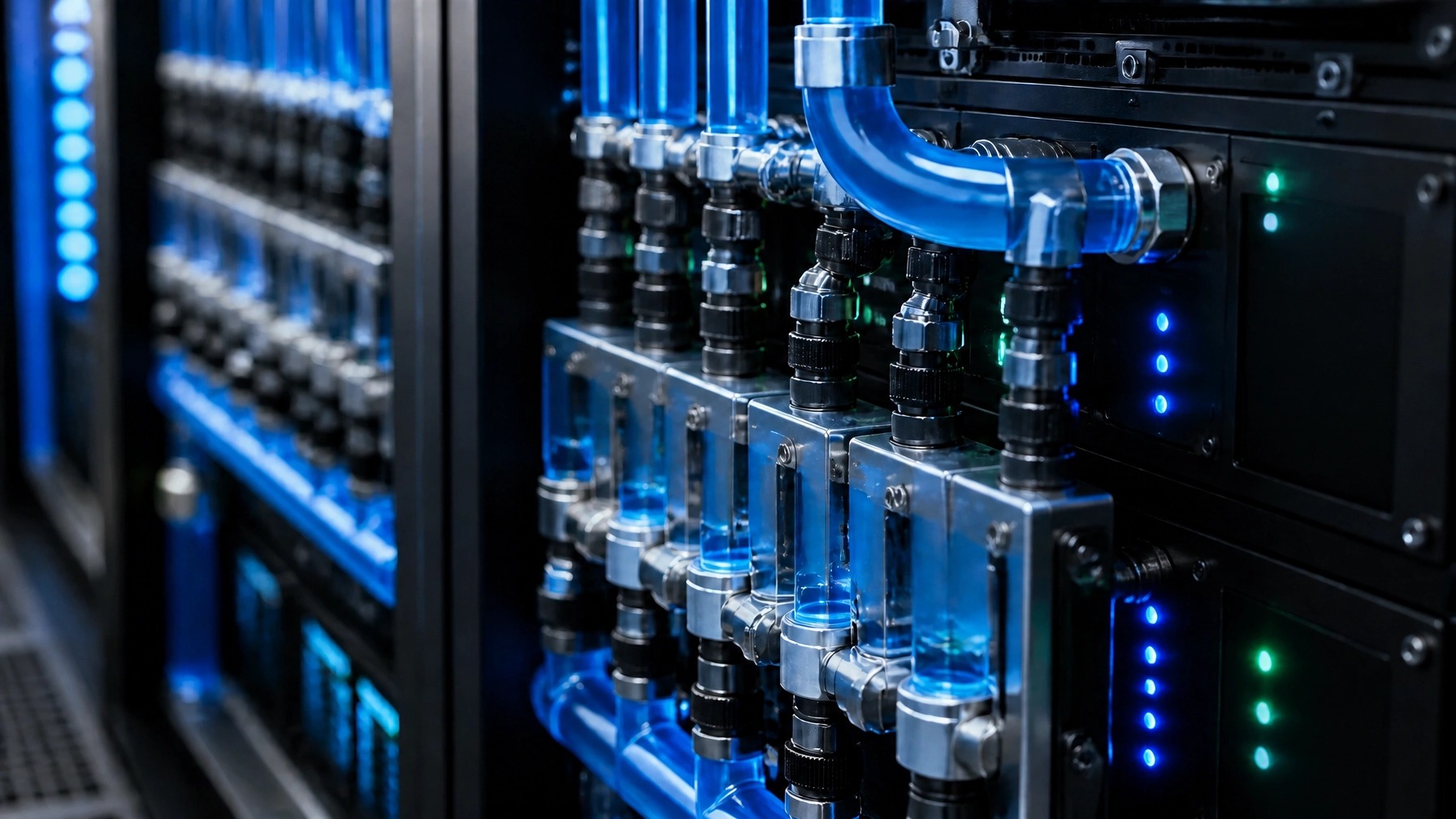
Modern facilities are deploying closed-loop liquid cooling systems. These systems function like a car’s radiator: a set amount of coolant (or water) is sealed within a pipe network and recirculated indefinitely.
Why This Matters for Local Resources:
70% Reduction in Water Use: Transitioning to closed-loop systems can slash a facility’s freshwater consumption by up to 70% compared to legacy designs.
Zero Evaporation: Because the loop is sealed, there is no ongoing loss of water to the atmosphere.
WUE Excellence: Leading operators like Microsoft and Oracle are targeting a Water Usage Effectiveness (WUE) of nearly zero in water-stressed regions.
By moving heat directly from the chip to a contained liquid loop, data centers have effectively decoupled their operations from the local water table.
The Sound of Silence: Engineering Out the Noise
Critics often point to the constant "hum" of a data center as a nuisance. However, the data centers being built today are engineered with more noise-suppression technology than almost any other type of commercial real estate.
Facility engineers utilize several layers of noise attenuation to ensure that by the time sound reaches the property line, it is quieter than the ambient noise of a typical suburban street.
Key Quiet-Site Technologies:
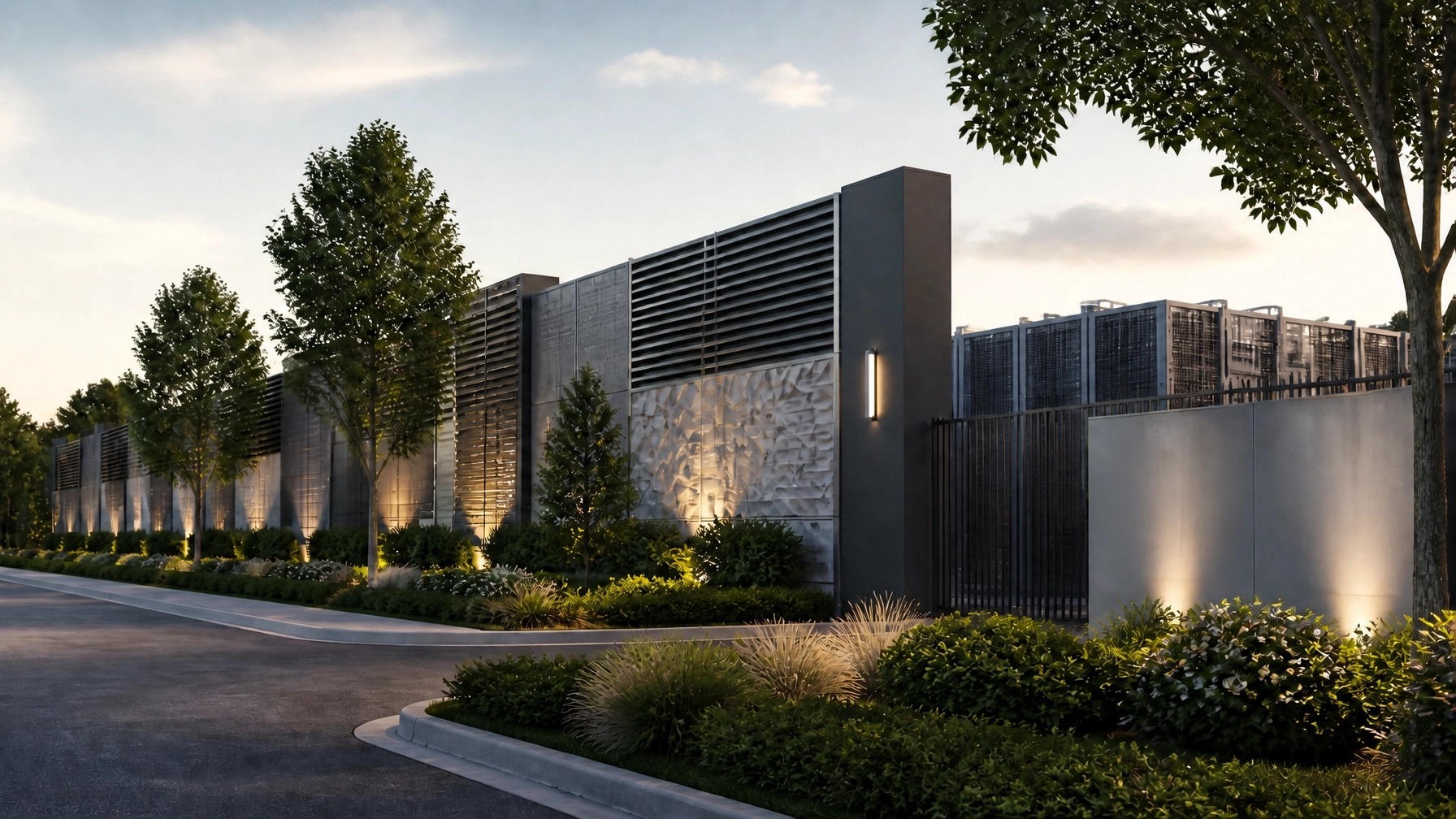
Acoustic Barriers and Sound Walls: Data centers use specialized perimeter walls designed to absorb and deflect sound waves back toward the facility rather than outward toward neighbors.
Advanced Fan Geometry: Engineers now use "owl-wing" fan blades and variable-speed drives.These fans spin slower and more efficiently, eliminating the high-pitched whine associated with older industrial equipment.
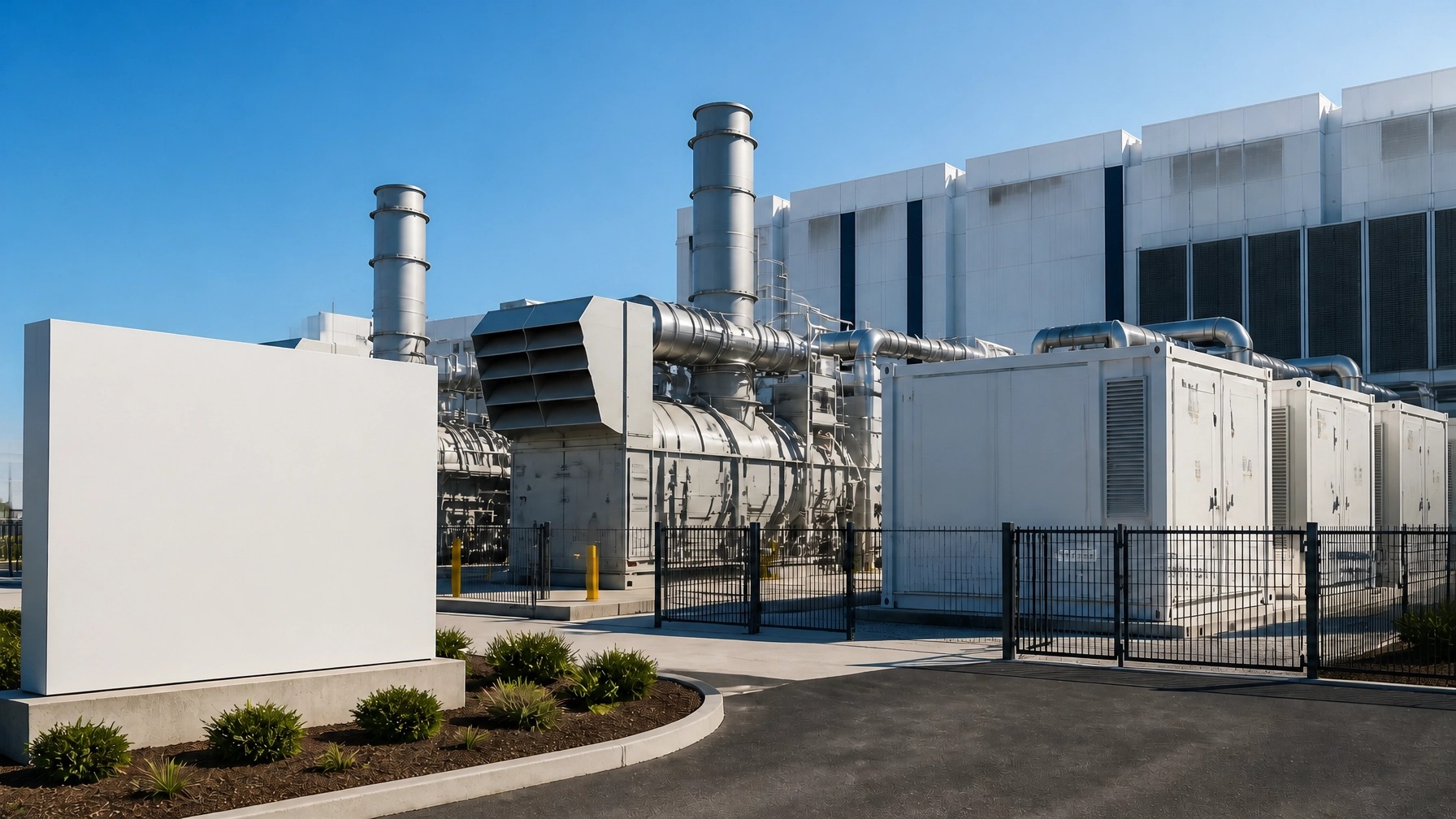
Indoor Equipment Housing: Unlike many industrial sites, the noisiest components: such as backup generators: are often housed inside hardened, sound-insulated concrete structures rather than sitting in open yards.
The result is a neighbor that doesn't produce smoke, doesn't generate heavy truck traffic, and remains effectively silent to the surrounding neighborhood.
Ending the Grid Strain: The Rise of "Behind-the-Meter" Power
There is a misconception that data centers "steal" power from local residents, driving up prices and causing brownouts. In fact, the industry is leading the charge in Behind-the-Meter (BTM) power generation, which actually relieves stress on the public grid.
Rather than relying solely on the local utility, many data centers are now building their own microgrids.This includes on-site natural gas turbines, solar arrays, and massive Battery Energy Storage Systems (BESS).
The Benefits of BTM Power:
Peak Shaving: During times of high demand (like a summer heatwave), a data center can switch to its own on-site power, reducing the total load on the community grid when it’s needed most.
Grid Stabilization: Modern data center power systems can provide "frequency response" services to the utility, helping to keep the entire regional grid stable.
Accelerated Green Energy: By investing in on-site renewable projects and batteries, data centers provide the capital needed to bring new green technology to the local area faster than a utility could on its own.
Instead of being a burden, these facilities often act as a "virtual power plant" that can support the community during emergencies.
An Economic Engine for the Future
Beyond the technical specs, the economic argument for data centers is undeniable. They are high-value, low-impact tenants that provide a massive boost to local municipal budgets.
Massive Tax Revenue: Data centers are often the largest single taxpayers in their counties. This revenue funds local schools, parks, and first responders without the need for increased residential property taxes.
Infrastructure Upgrades: To support a data center, developers often pay for upgrades to local fiber-optic networks and electrical substations: upgrades that benefit every home and business in the area.
High-Quality Employment: These aren't just "warehouses." They require highly skilled technicians, engineers, and operations managers. The jobs created are long-term, high-paying, and resistant to economic downturns.
For cities evaluating new development, a modern data center can be a practical long-term asset. These facilities often help fund STEM programs in local schools, contribute tax revenue and infrastructure investment that strengthen shared community resources, and create steady opportunities for local businesses and workers. From the first phase of construction through years of ongoing maintenance and operations, data centers bring demand for local talent, local contractors, and local service partners. When planned and operated well, they do more than serve the digital economy.
They create measurable value for the community around them.
Ready to Put These Ideas into Action?
Don't let operational challenges slow down your facility. Our team has helped data centers just like yours reduce downtime by 58% and catch problems before they happen.

.png)