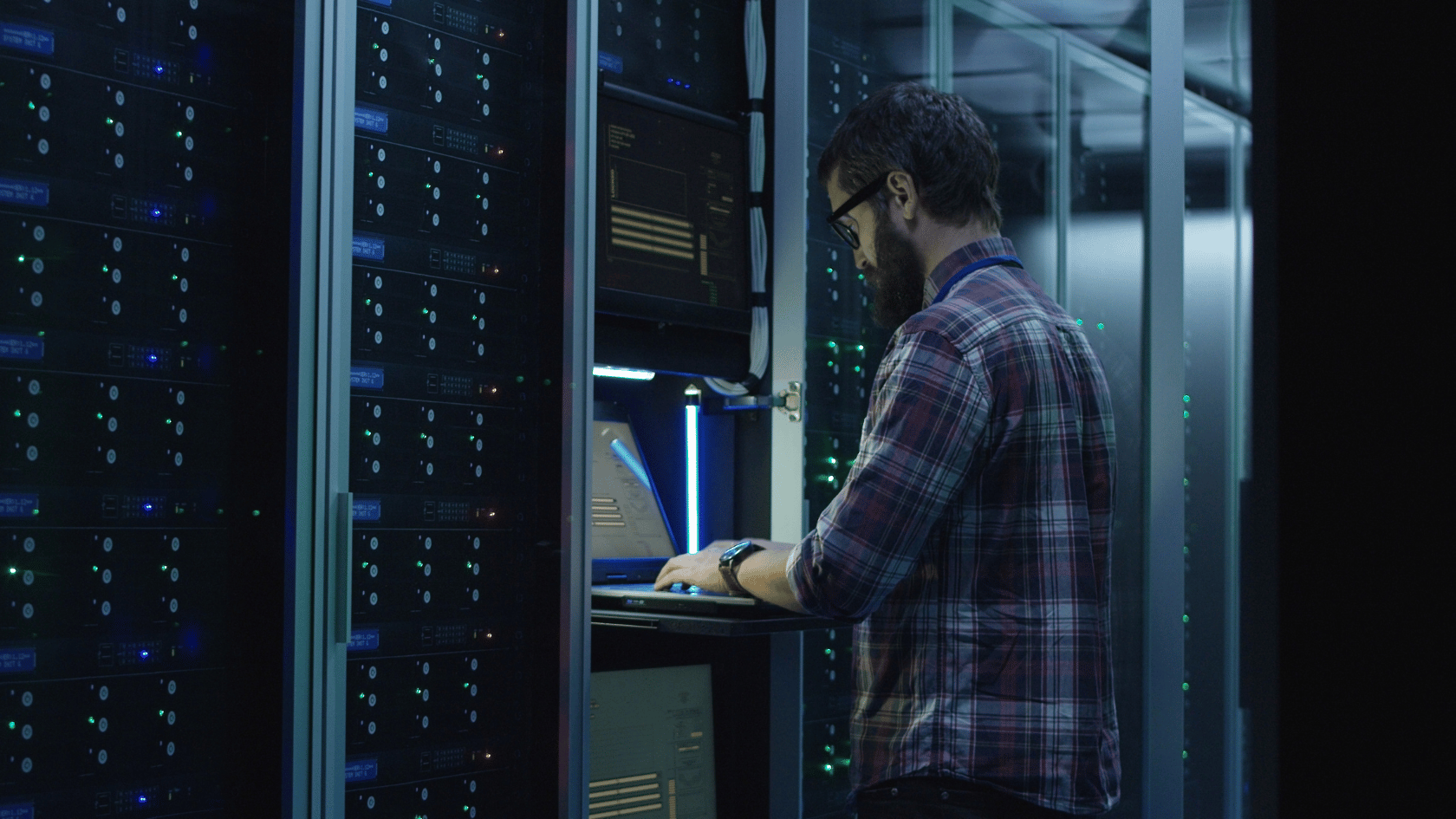
10 Things to Consider When Looking for Ways to Get More Power
AI is turning power into the new bottleneck for data centers. Discover 10 things you need to know about the Speed-to-Power arms race—from grid delays to build-ahead strategies—and how Steadfast Operations keeps facilities ready to compete.
Data center growth is no longer limited by land or capital — it's limited by electricity. As AI workloads scale, securing power has become the defining challenge of the industry, reshaping everything from facility design to site selection. This post breaks down 10 essential things to know about the Speed-to-Power arms race, and what it takes to keep your facility competitive when the grid — not the ground-breaking — is the real bottleneck.
The data center industry is no longer just about building shells and filling them with servers. We have entered a new era: the Speed-to-Power arms race.
As AI workloads explode, the primary constraint on growth has shifted from land availability to electricity access. If you can’t get the power, you can’t build the compute. At Steadfast Operations, we see this challenge daily as we consult with facilities on optimizing their path to operational readiness. The stakes are high, the timelines are compressed, and the competition for gigawatts is fierce.
Here are 10 things you need to know about the current state of the speed-to-power race and what it means for your facility.
1. Securing Power is Your First Hurdle
Historically, data center development focused on "Speed-to-Market": how fast you could stand up a building. Today, that has been replaced by "Speed-to-Power." This metric measures the rate at which a facility can secure utility interconnection, permits, and the actual delivery of electrons.
In hyperscale markets, the bottleneck is rarely the construction of the building itself; it’s the multi-year wait for the local utility to upgrade the grid. Securing power is now the first and most critical hurdle in any project management strategy.
2. Facilities are “Power Factories” that Require More Infrastructure
The scale of power demand is staggering. In 2023, global data center power use sat around 55 GW. Projections suggest this could surge by 165% by 2030. In the United States alone, demand is expected to more than double, reaching roughly 9% of the total national electricity use.
This isn't incremental growth; it’s a fundamental shift in how the world consumes energy. Facilities are no longer just buildings; they are effectively "power factories" that require the electrical infrastructure of small cities.
3. Rack Density Shift Forces You to Rethink Facility Design
We’ve moved far beyond the days of 3–5 kW racks. AI chips, specifically those used for training Large Language Models (LLMs), are incredibly energy-dense. It is now common to see racks drawing 50 kW, 100 kW, or even more.
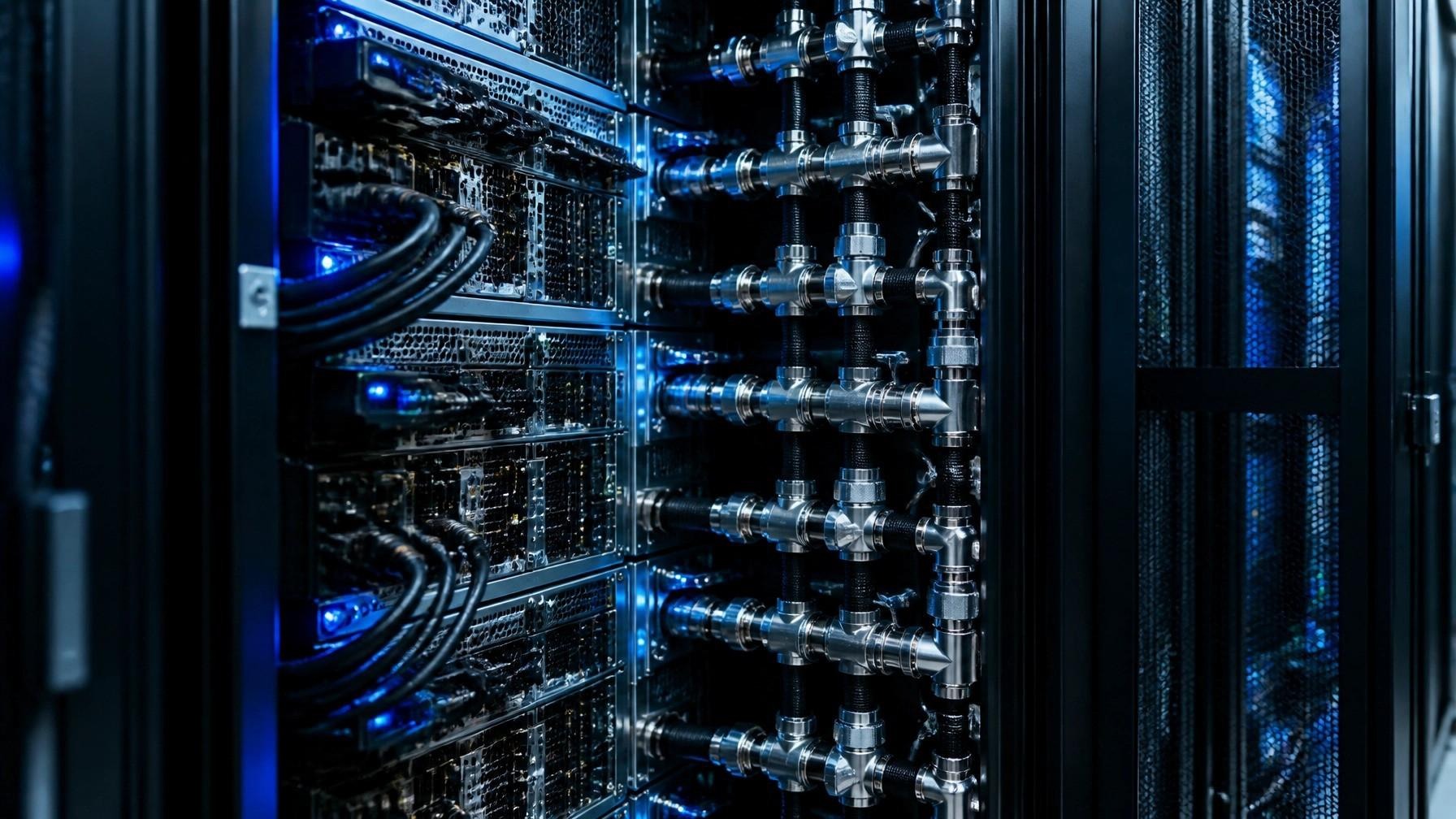
This density shift forces a complete rethink of facility design. High-density liquid cooling solutions and robust power distribution are no longer optional "future-proofing": they are day-one requirements.
4. Developers Look at Siting Facilities New Power
Even if you have the capital and the land, the grid might not have the capacity. Many "business-friendly" regions are seeing massive delays in interconnection. For example, Dominion Energy in Virginia saw power connection requests jump from 21.4 GW to over 40 GW in less than a year.
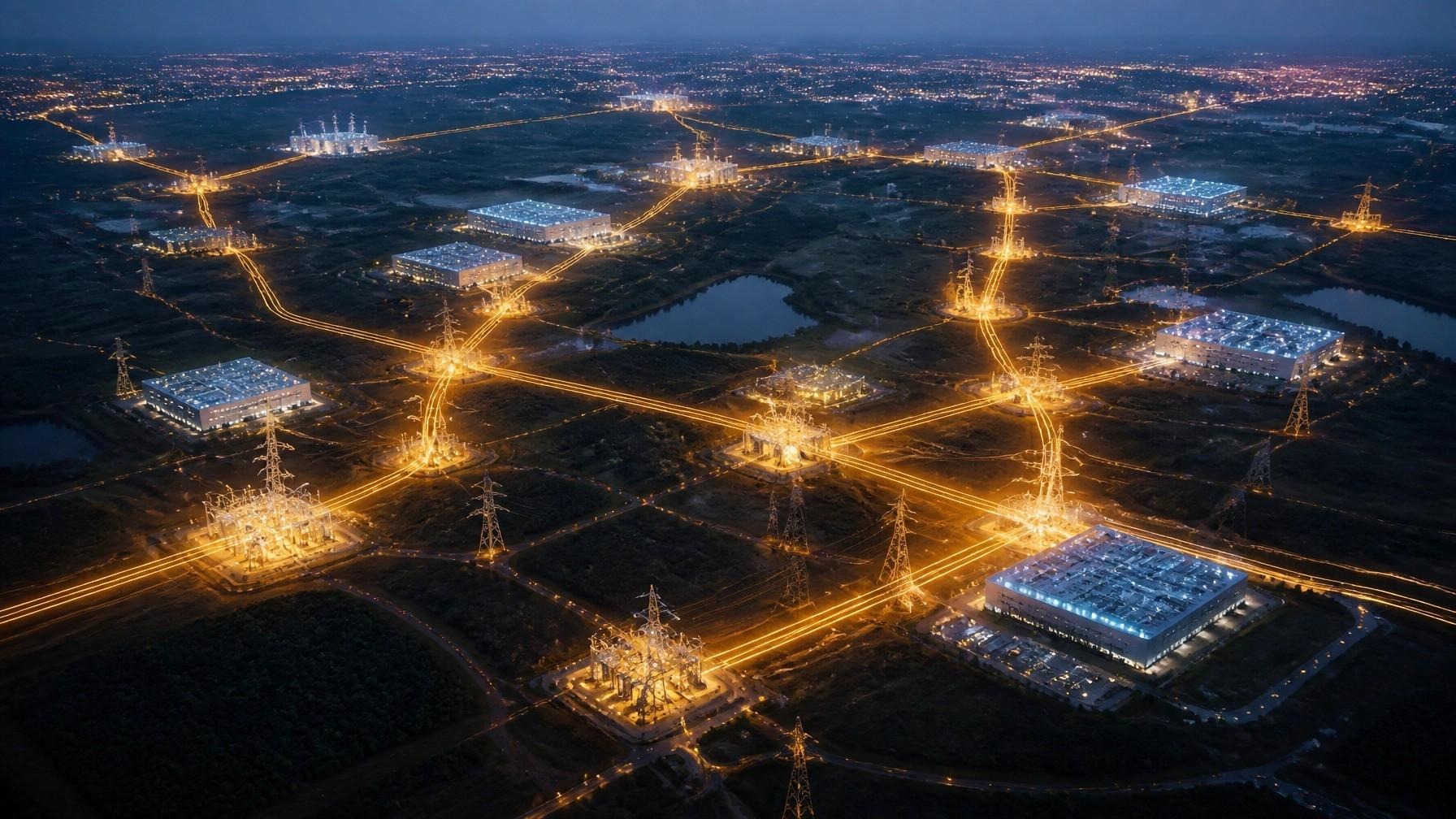
Transmission limits and aging infrastructure are creating backlogs that can span years. This reality is forcing developers to look at unconventional locations: siting facilities near power generation rather than near traditional fiber hubs.
5. Accelerating Grid Expansion Will Attract Large Infrastructure in Regions
The speed-to-power race has significant geopolitical implications. While the U.S. currently leads in AI chip design, energy availability is a different story. Regions with abundant, stable, and cheap electricity will become the new epicenters of the AI economy.
Access to energy is now a strategic asset. Countries and states that can streamline their regulatory processes and accelerate grid expansion will attract the largest infrastructure investments in history.
6. Governments are Stepping In for Grid Expansion
Regulatory bodies and government agencies are finally recognizing the urgency. The U.S. Department of Energy (DOE) and the Federal Energy Regulatory Commission (FERC) have launched initiatives to identify large-scale transmission projects that can support AI loads.
The goal is to enable "multi-gigawatt" increases in demand. However, policy moves slowly compared to the pace of AI development. Firms that rely solely on government-led grid expansion may find themselves left behind in the arms race.
7. "Build Ahead" is the New Standard
Waiting for a signed lease to start construction is a strategy of the past. Major AI firms are now building ahead of projected demand. They are willing to risk "empty" data centers to ensure that when the next generation of LLMs is ready to train, the power and space are already secured.
This "build first, ask questions later" approach requires significant capital and a high tolerance for risk, but it is the only way to stay competitive in an environment where capacity is finite.
8. Operational Readiness is More Critical Than Ever
Securing the power is only half the battle. Bringing a massive facility online requires flawless execu-tion. This is where Day-One Readiness comes into play.
With the pressure to go live as fast as possible, there is zero margin for error during commissioning. Operations teams must be trained, procedures must be validated, and systems must be stress-tested long before the first server rack is energized. Any delay at the finish line results in millions of dollars in lost opportunity cost.
9. Efficiency Gains Aren't Enough
While modern GPUs are becoming more efficient per operation, the sheer scale of the workloads is overwhelming these gains. We cannot "efficiency-engineer" our way out of this power crisis.
The industry is shifting its focus toward sourcing clean, reliable energy at scale: including investments in Small Modular Reactors (SMRs) and advanced geothermal: to supplement traditional grid power. Total demand pressure will continue to rise regardless of how many PUE points are shaved off.
10. Power Acquisition and Operational Excellence Will Dominate the AI Era
In the Speed-to-Power arms race, the "winner" isn't the one with the best software: it’s the one who can keep the lights on for the largest clusters. Those who master the logistics of power acquisition, grid navigation, and operational excellence will dominate the AI era.
Get Ready for the Speed-to-Power Arms Race
The landscape of mission-critical facilities has changed. If you are struggling to navigate the complexities of the current power market or need to ensure your facility is ready for day-one operations, Steadfast Operations is here to help. From Portfolio Uptime Recovery to ground-up project management, we establish the standards that make excellence repeatable.
Are you ready to stay ahead of the pack? Contact us today to learn how we can optimize your mission-critical operations.
Ready to Put These Ideas into Action?
Don't let operational challenges slow down your facility. Our team has helped data centers just like yours reduce downtime by 58% and catch problems before they happen.
.png)
.png)